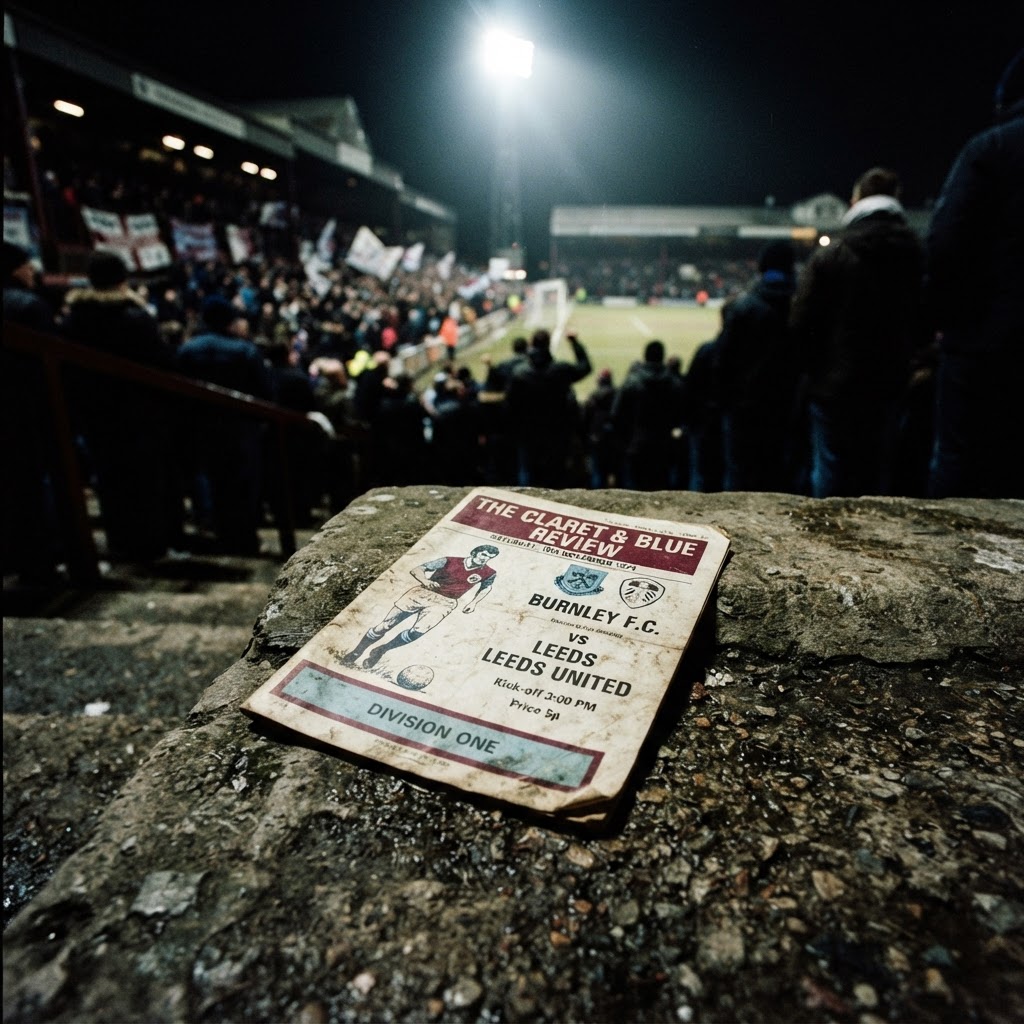
Ink and Paper: Why the Matchday Programme Still Matters
14 September 2026
Ink and Paper: Why the Matchday Programme Still Matters
Before the notification ping and the refresh button, there was the paper. Walking toward the turnstiles, the sound of the seller shouting their lines was the official start of the match. While most things in football have shifted to screens, the matchday programme remains the last physical vestige of a time when the game was held, not watched.
The Weight of History
There is something visceral about holding a programme. It is not just the team sheet or the manager notes; it is the archive of a specific Tuesday night or Saturday afternoon. You slide it into your jacket, it gets creased, it picks up the smell of damp concrete and cheap pies. Years later, pulling a box from the attic and seeing those glossy, ink-stained pages brings back the exact texture of a season. It is a tactile diary of your devotion.
More Than Just Lineups
In the era of instant data, people argue that programmes are obsolete. Why pay for a squad list when a tweet tells you the formation two hours before kickoff? That misses the point entirely. The programme is about the interviews you cannot find online, the historical deep dives written by club historians, and the honest, unfiltered fan letters. It is a slow read in a fast world. It forces you to engage with the club on their terms, away from the noise of pundits and betting ads.
The Collector's Instinct
Every fan has that one shelf or drawer dedicated to the stacks they cannot bring themselves to throw away. A programme from a cup final, a debut, or an underdog win. They are our personal mementos of moments that mattered. When you look at an old programme, you see the evolution of design, the shift in sponsorship, and the changing faces of the game. It is a visual timeline of your club’s soul.
Why Design Matters
There was a time when programme covers were masterpieces of graphic design. Bold typography, surreal illustrations, and experimental layouts that felt closer to a fanzine than a corporate brochure. Today, too many clubs default to a generic digital-first template. We need that artistry back. When a club puts effort into the aesthetic of their programme, they show respect to the heritage of the badge and the people who buy the publication.
Preserving the Ritual
As digital accessibility increases, the physical programme becomes a premium experience. It is a deliberate act to buy one. It is a way of saying that you value the club beyond the 90 minutes on the pitch. It connects you to the generations of fans who stood on the same terraces before you, holding their own versions of that history. If this reminds you that football culture exists in the details, you might like our More Than 90 Minutes collection.
Keeping the Tradition Alive
The matchday programme is not dead; it has just become a badge of honor. It separates the casual observer from the one who cares enough to carry the weight of the club in their pocket. Keep buying them. Keep reading them. The day we stop valuing the paper is the day we stop caring about the history written upon it.