More Than A Club: Why Football Is The Glue That Holds Neighborhoods Together
We often talk about football as a sport, but that misses the point entirely. It is a social infrastructure, a language spoken by strangers, and a stubborn anchor in an increasingly transient world.
The Architecture of Belonging
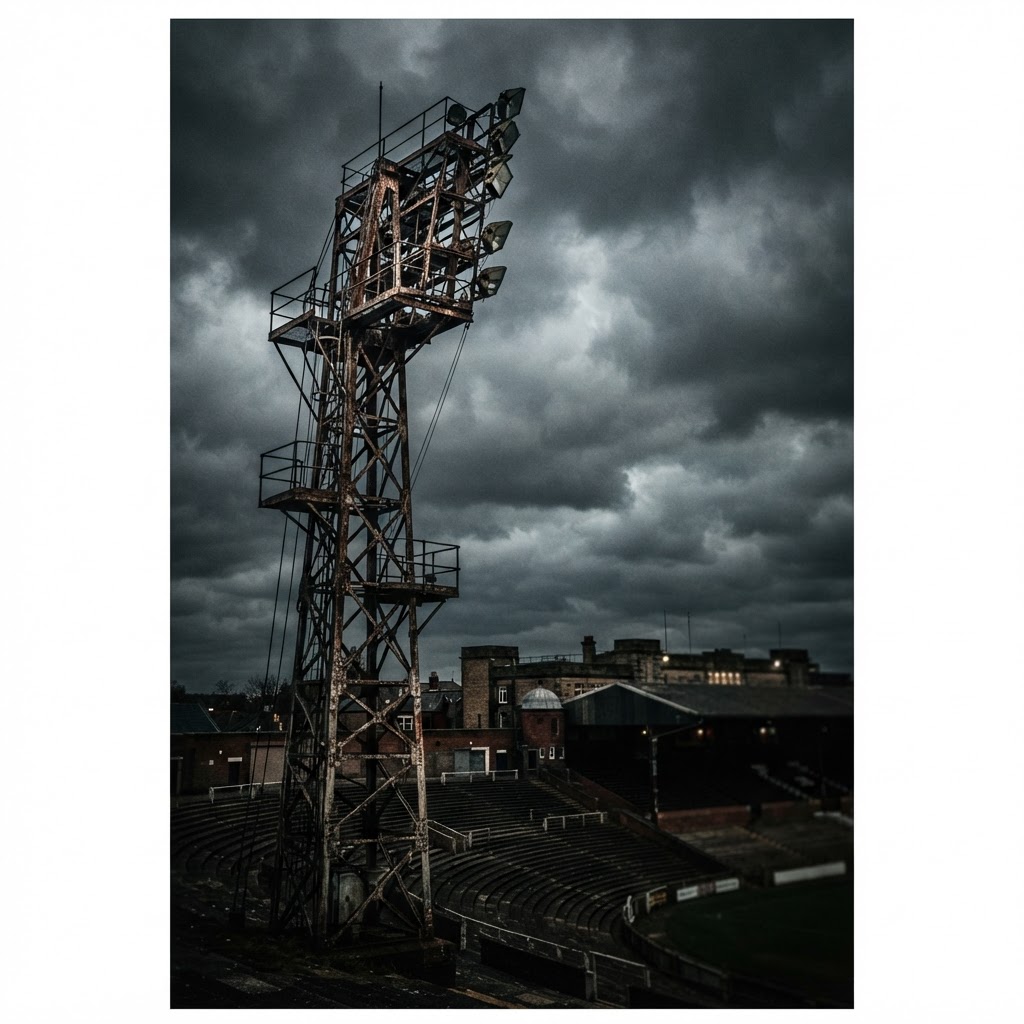
Walk through any neighborhood with a team at its center and you see the bleed-through. The colors aren't just on shirts; they are on the roller shutters of the newsagent, the graffiti under the bridge, and the name on the back of the kid’s kit two blocks away. This identity is the first thing we are given as children and often the last thing we hold onto. When the rest of the world feels disconnected, the shared history of a local club provides a foundation that is physically impossible to ignore.
The Sunday League Connection
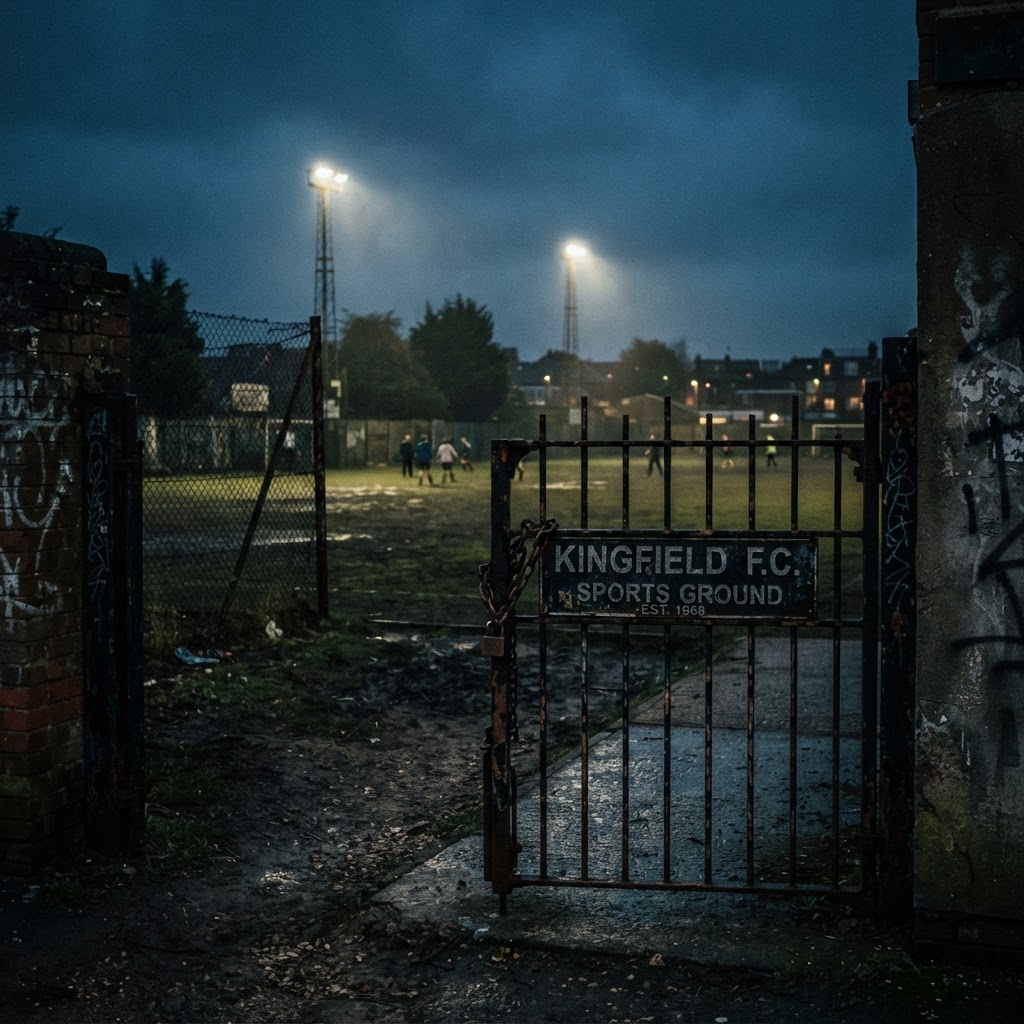
Real community isn't built in the stands of a stadium; it is built on the mud-slicked pitches of the local Sunday league. This is where the barrier between 'supporter' and 'participant' disappears. You see the same faces every week—the local butcher refereeing, the shop owner running the line, the older generation watching from the sidelines with a flask of coffee. It is raw, unvarnished, and necessary. It teaches us how to lose with dignity and how to rely on the person standing next to us, regardless of what they do for a living from Monday to Friday.
Shared History, Shared Burden
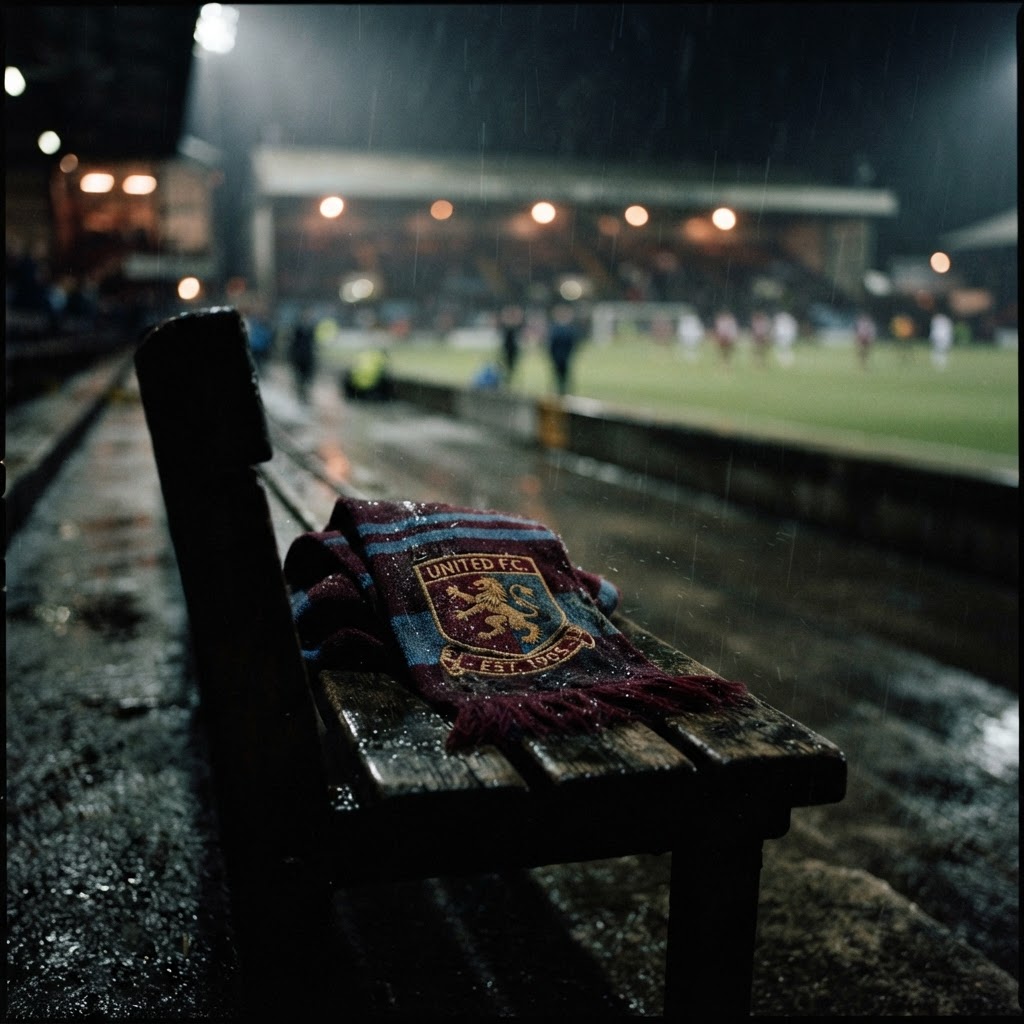
There is a specific weight to being a fan of a local club. It is a shared burden of history. When you talk to someone who supports the same team, you aren't just talking about a match; you are comparing notes on decades of heartbreak and brief flashes of glory. This is why people who have never spoken can fall into a rhythm of conversation immediately. You are bound by the same stories, the same legends, and the same disappointments. That unspoken familiarity is what keeps social cohesion alive in areas where other institutions have long since shuttered.
The Rituals That Define Us
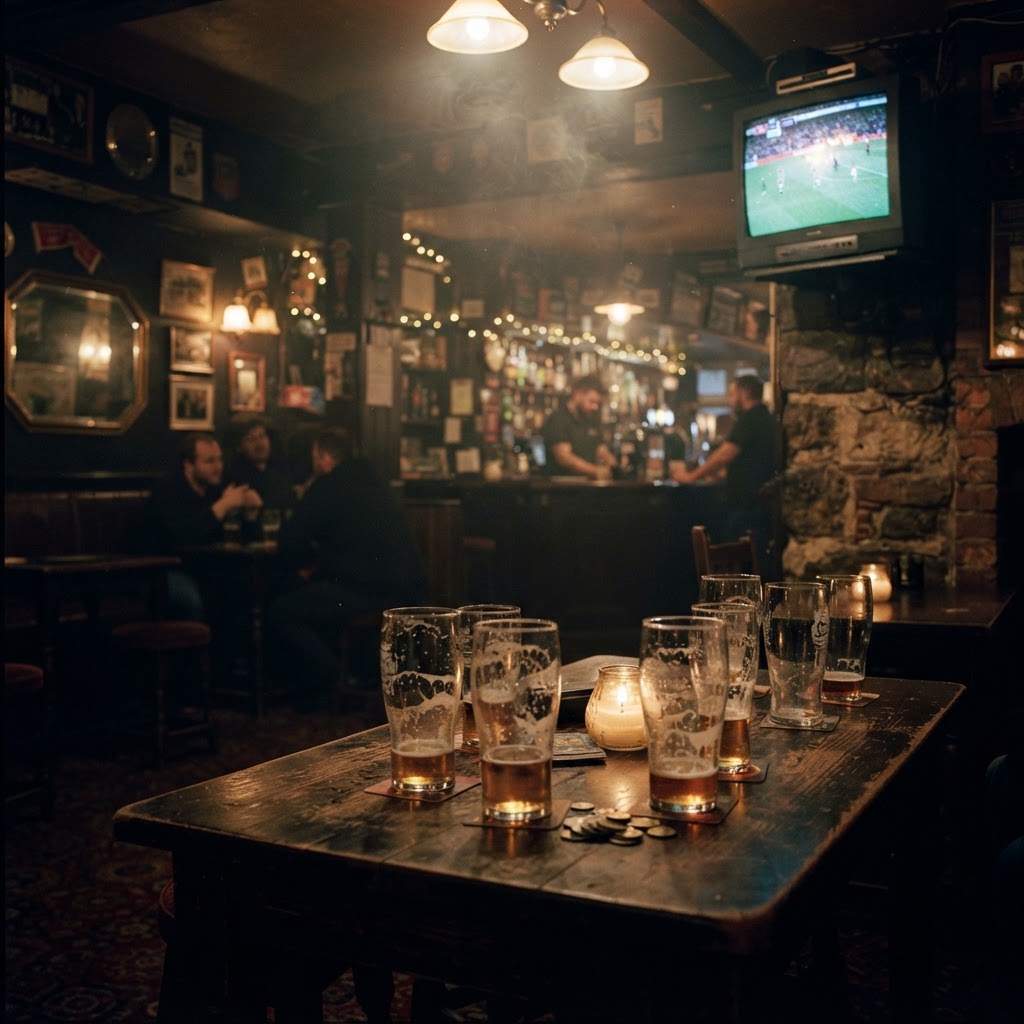
Culture is nothing without repetition. Whether it is the specific queue at the burger van, the nod of acknowledgement to the same fans at the turnstiles, or the way the pub fills up three hours before kickoff, these rituals are the heartbeat of the community. They are the small, repetitive actions that say 'we are here and we are doing this together.' In a world that is obsessed with change, these habits are the most radical form of stability we have left.
Keeping The Spirit Alive
Recognizing the role of football in our communities means understanding that we are the custodians of something much older than us. If you feel like your style should reflect the pride you have in your local patch, have a look at our This Is Our Game collection for gear that matches the grit of the terrace culture. Staying connected to the roots of the game is about more than just showing up on match day; it is about carrying that identity everywhere you go.