
Lost in Translation: The Real Meaning of Football Slang
Football is not just a sport. It is a shared code, a vernacular that changes depending on which stand you sit in or which pitch you play on. If you want to understand the heartbeat of the game, you have to speak the language.
The Pint and the Park: Sunday League Dialect
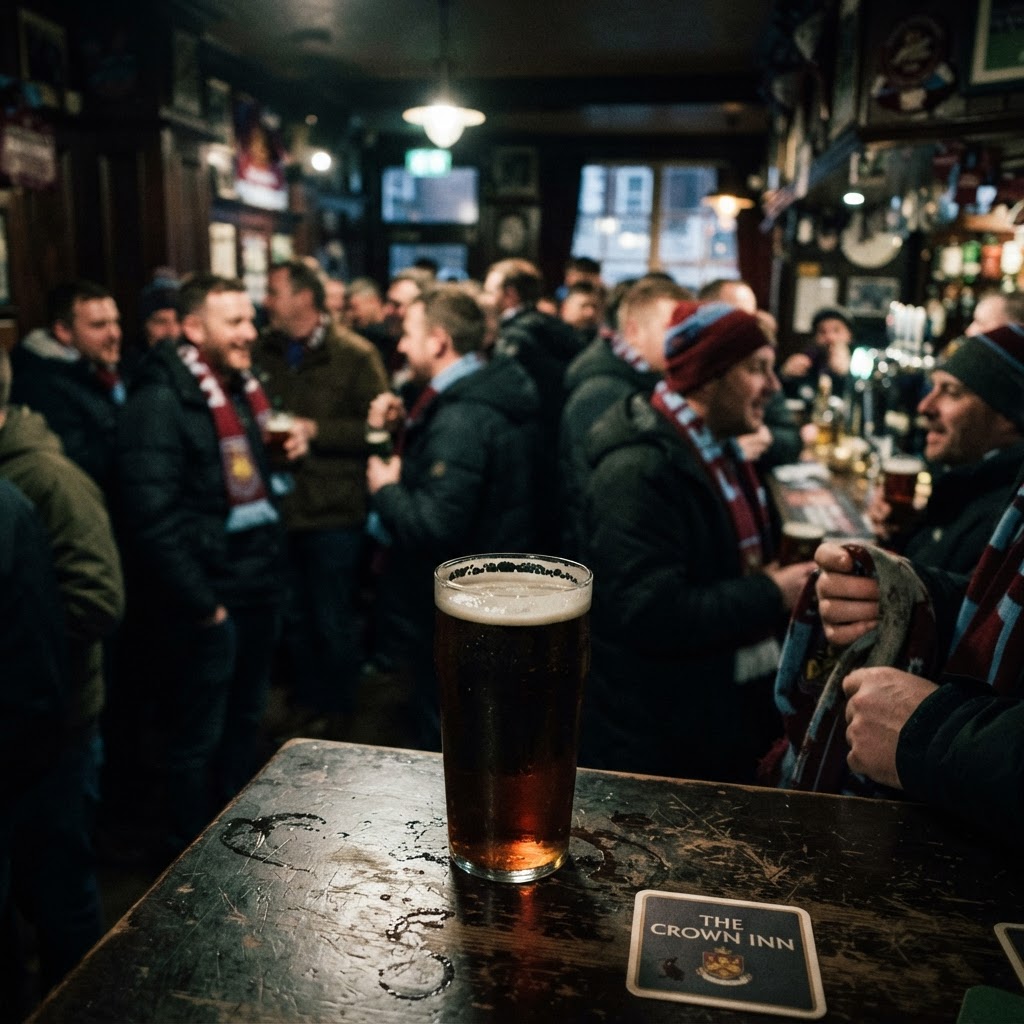
Every Sunday morning starts with a specific vocabulary. When a teammate yells that the pitch is a bog, they are not talking about a swamp. They are describing a quagmire of mud and clay where the ball refuses to roll. If you are told to put it in the mixer, you are being instructed to hoof the ball into the crowded penalty area and hope for a deflection. It is ugly, it is effective, and it is the foundation of grassroots sanity.
The Tactical Nonsense
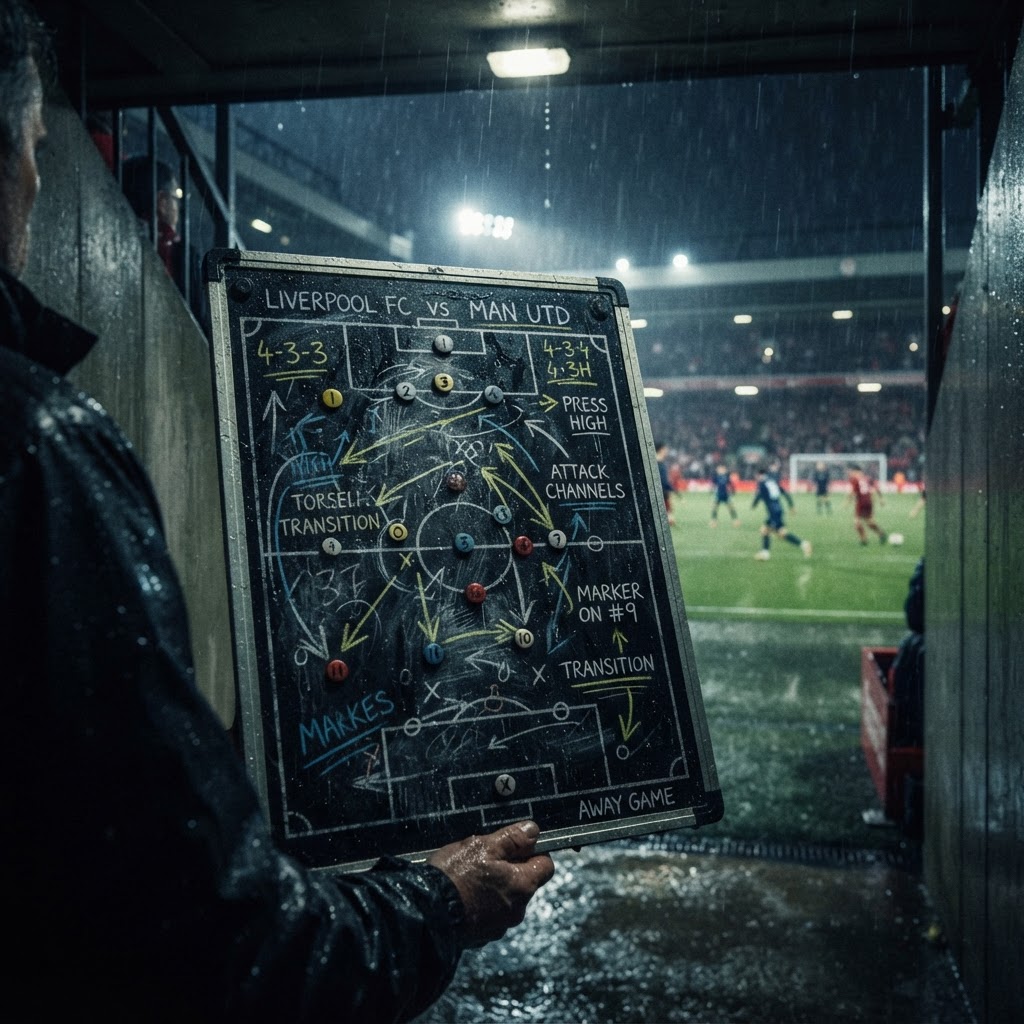
We hear pundits use words like pivot, half-space, and low block until they lose all meaning. In reality, a low block is just ten men standing in their own box refusing to move. A pivot is the guy who does the running while everyone else stands around. These phrases try to make football sound like physics, but to us, it is just about positioning. When someone says a player has a high football IQ, they usually mean he knows when to commit a tactical foul to stop a breakaway.
Terrace Poetry
Terrace culture has birthed some of the most enduring phrases in the game. When a fan shouts that a player has no heart, they aren't questioning their biology; they are questioning their commitment to the shirt. Getting a rollicking from the manager or a teammate is a rite of passage. If you cannot handle a bit of direct feedback, you probably shouldn't be on the pitch. These phrases are how we measure character, grit, and the willingness to run until your lungs burn.
The Myth of the Schoolboy Error
We love talking about schoolboy errors. It is the go-to phrase for a mistake that should have been avoided with even a shred of professional awareness. It implies that a ten-year-old would have made a better decision. It is the ultimate insult to a grown man paid a fortune to kick a ball in a straight line. It stings because it is usually accurate.
Playing the Man
Sometimes, the most important part of the game isn't the ball at all. Playing the man—or giving them a bit of the rough stuff—is part of the psychological war. It is about letting your opponent know they won't have a quiet afternoon. You don't need a referee to know when someone is being targeted; you just need to watch the tension in the midfield.
If you want to wear the mentality of the game on your sleeve, check out our This Is Our Game collection for gear that respects the history of the terrace.
Why We Keep the Code Alive
Language evolves. New slang replaces the old, but the sentiment stays the same. We use these phrases because they connect us to the generations that stood on the same steps before us. They are shortcuts to shared experiences, proving that even if we support different teams, we are speaking the same language.