Hard Ground and Freezing Rain: Why Weather Defines British Football Identity
We talk about tactics and technical ability, but we ignore the primary architect of our game: the sky. From the concrete-hard pitches of August that ruin ankles to the horizontal sleet that turns a Saturday afternoon into a war of attrition, weather is the filter through which our football culture is processed.
The Philosophy of the Hard Ground
Late August football is a unique beast. The pitches are effectively sun-baked clay. This dictates the geometry of the game. Passing along the carpet is a luxury; the ball pings unpredictably off the surface. It forces a certain style—cynical, direct, and aggressive. If you can control a ball that bounces like a stone, you are ahead of the curve. This is the time of year when identity is established. You aren't just playing the opponent; you are playing the environment. The Sunday league pitches are no different—a dust bowl where every sliding tackle feels like sandpaper against skin.
The Aesthetic of the Cold Night
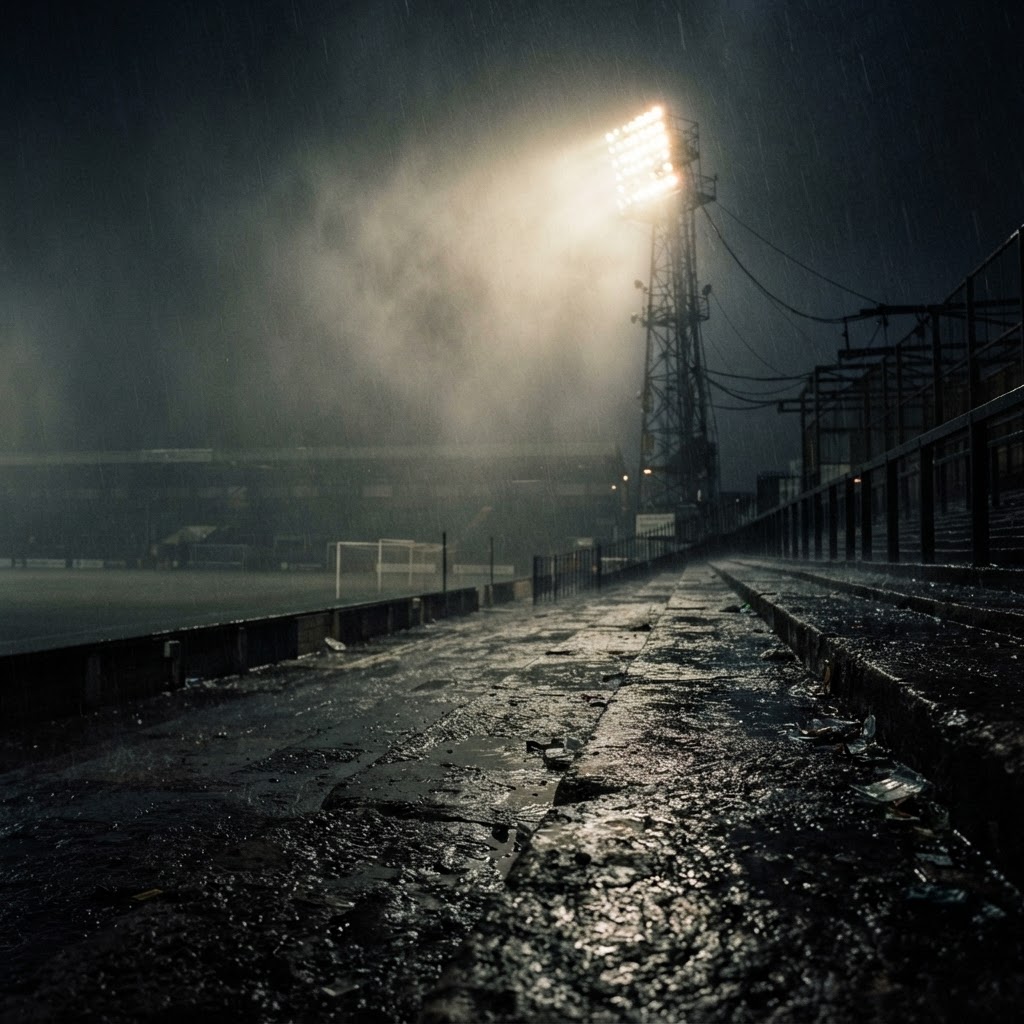
There is a specific visual language to a freezing Tuesday night. The floodlights cutting through the mist, the breath of the players hanging in the air like thick clouds, and the way the orange ball looks against the frost-covered grass. It is the purest form of football. It strips away the commercial gloss and leaves only the struggle. If you are standing on the terrace, your hands are deep in your pockets, and the cold is biting through your denim. This is where the game turns from a spectacle into an endurance test. We cherish these nights because they aren't meant for everyone. They are meant for those who refuse to stay indoors.
The Kit and the Climate
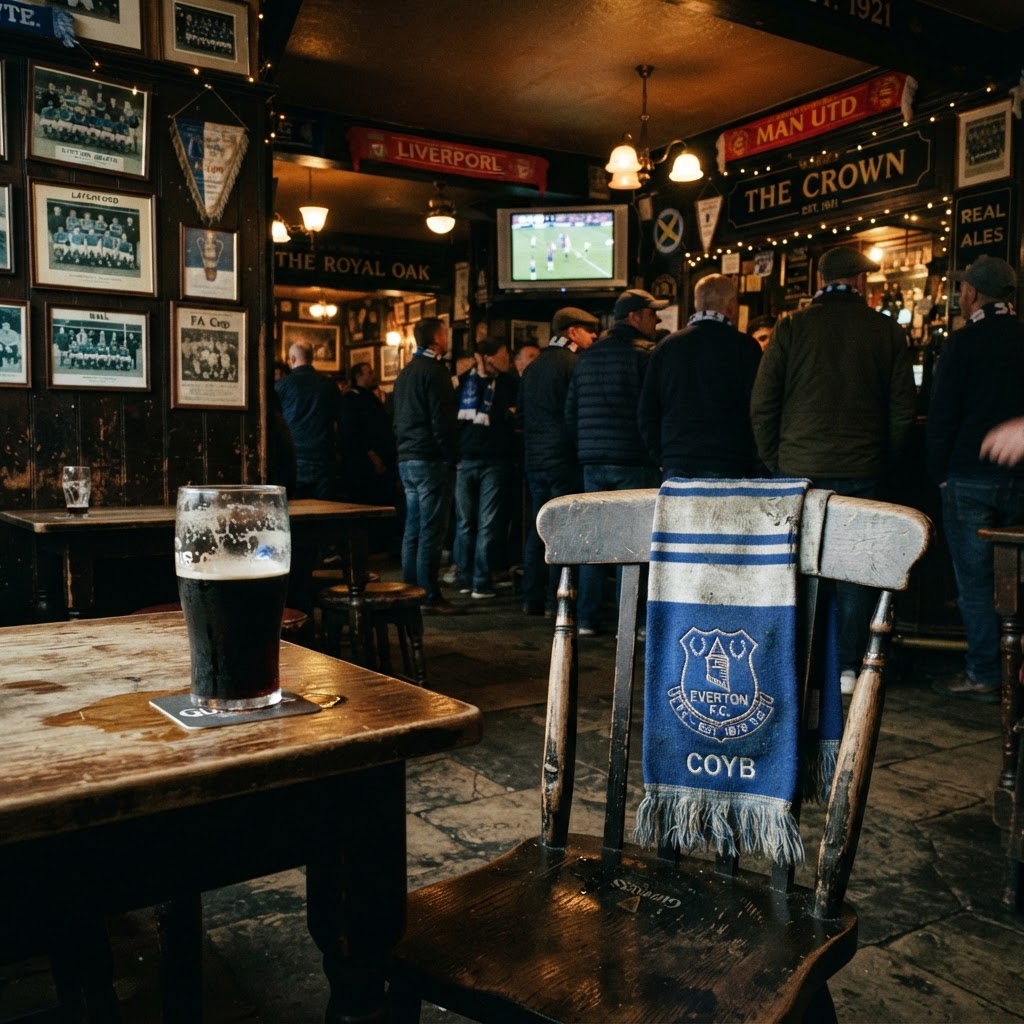
Football fashion was born out of necessity. Long before it became a high-street trend, terrace wear was about survival. The heavy wool coats, the scarves, and the layers were the primary uniform of the matchgoer. We wear our history on our backs, influenced entirely by the requirement to stay warm while standing still for ninety minutes. The evolution of fabric technology hasn't killed the need for proper gear. We still opt for weight and durability because in this climate, a flimsy jacket is an insult to the game. It is about layering for the long haul.
Why We Love the Slop
When the heavens open, the game changes. It becomes a sliding, chaotic mess of mud and momentum. A waterlogged pitch is the great equalizer; it kills the fancy playmaker and rewards the battler. There is something primal about watching a game in the pouring rain. It brings out the noise from the stands. The chant changes, the urgency peaks, and the referee becomes the central character in a drama played out in the mud. We don't complain about the rain because the rain is part of the story. It turns a football match into a battle of will.
Identity Forged in the Elements
Our identity as fans is inherently tied to the conditions we endure. Being a football fan in this part of the world means accepting that you will be cold, wet, or sun-scorched, often all in the same season. It creates a collective bond. When you are standing in a blizzard at a local ground, you are sharing that physical reality with everyone around you. It isn't just a game; it is a shared experience of enduring the elements to witness something real. If this reminds you that the game is about more than just the result, you might like our More Than 90 Minutes collection.
The Philosophy of the Long Season
Ultimately, weather forces us to be adaptable. A team that only plays well in the spring sun is a team that won't survive the winter. The same applies to the supporter. We aren't fair-weather fans because the weather is never fair. We turn up, we stand our ground, and we find beauty in the biting wind. Football culture is, at its core, a response to the environment we inhabit.