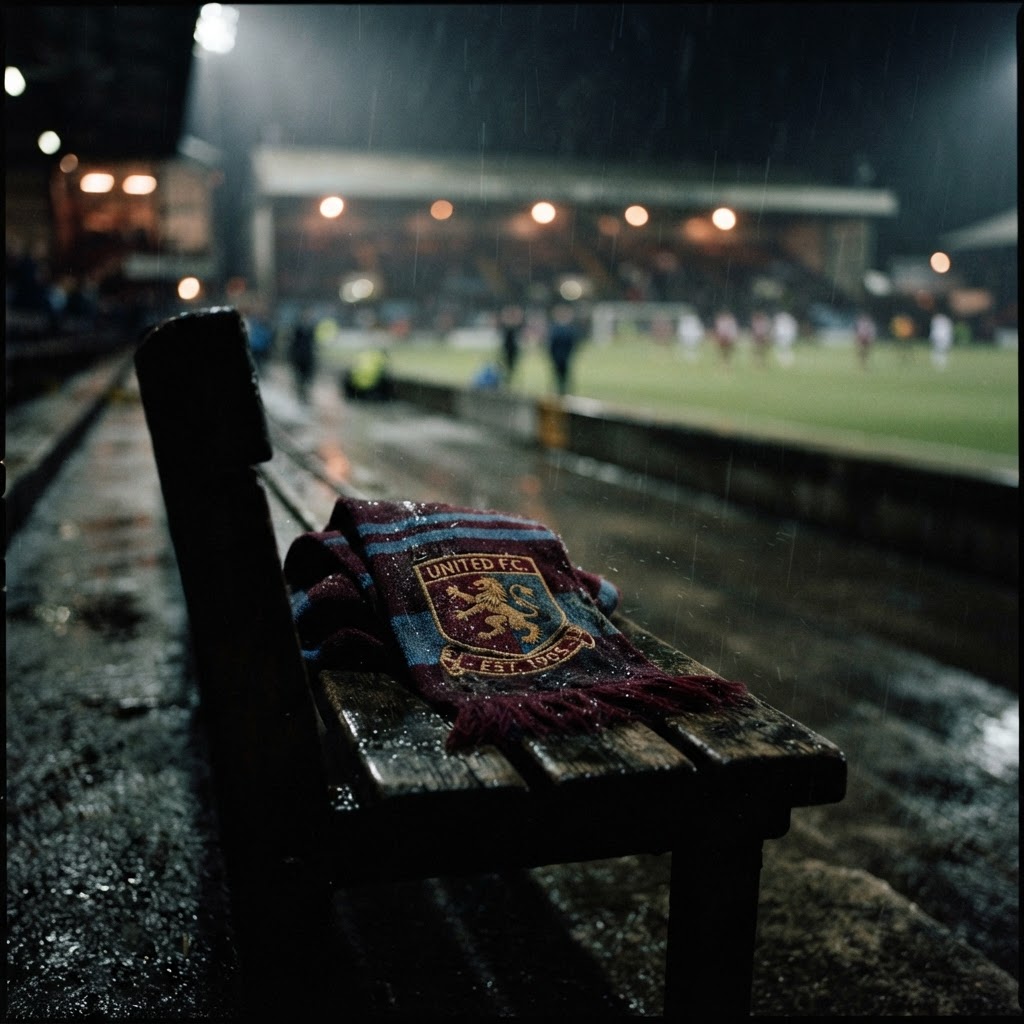
The Unbroken Thread: How We Pass Football Allegiance to the Next Generation
Football isn't a choice. It is a birthright, a stubborn stain of colors on a family tree that refuses to wash out. You don't choose your club any more than you choose your name; you inherit it, along with the suffering and the occasional, fleeting moments of glory.
The First Kit and the Weight of History
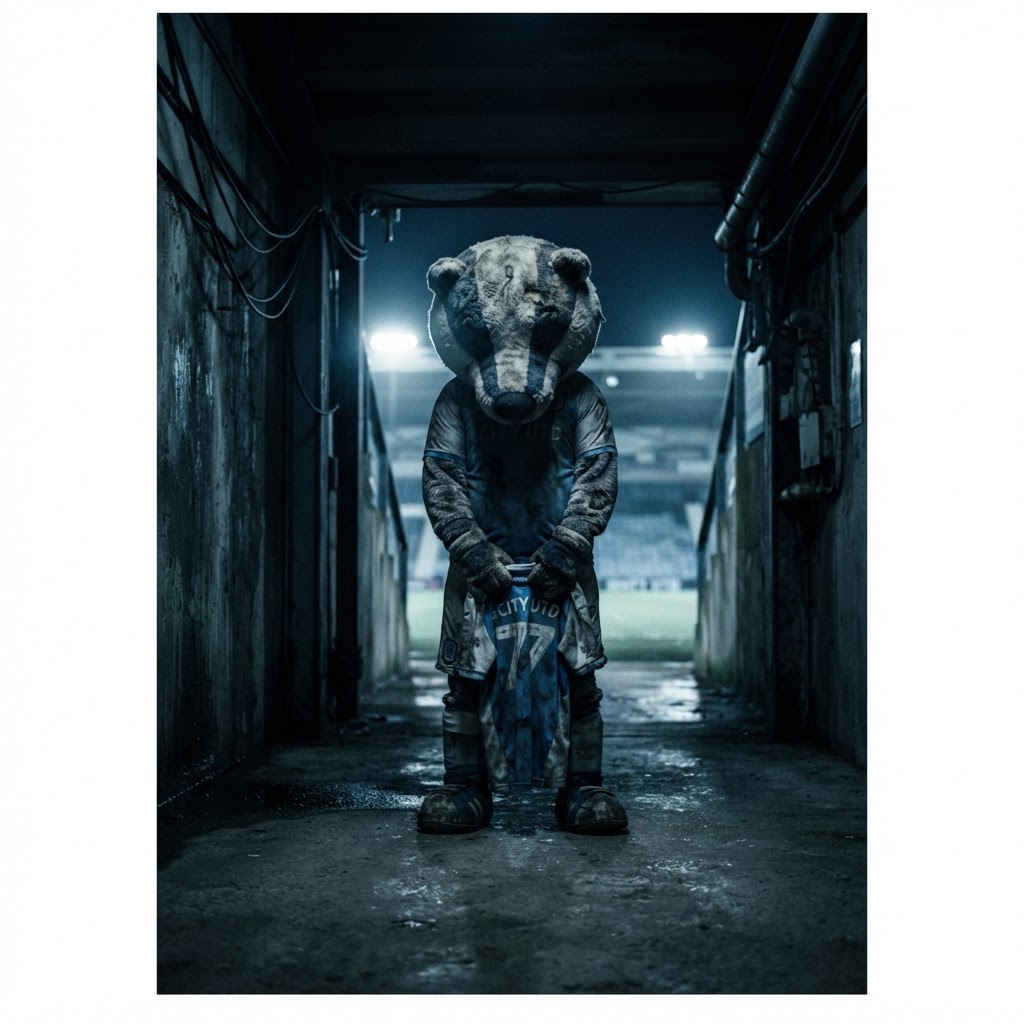
It starts with the kit. Usually, it is a size too big, the sleeves drooping past the elbows, the fabric smelling of new polyester and untapped potential. Putting that first shirt on a child is a ritual of binding. You are telling them that they belong to something larger than themselves. When a kid pulls that crest over their head, they are silently agreeing to carry the burden of the club's past—every missed penalty, every league title, and every forgotten legend—into their own future.
Sunday Mornings and Muddy Boots
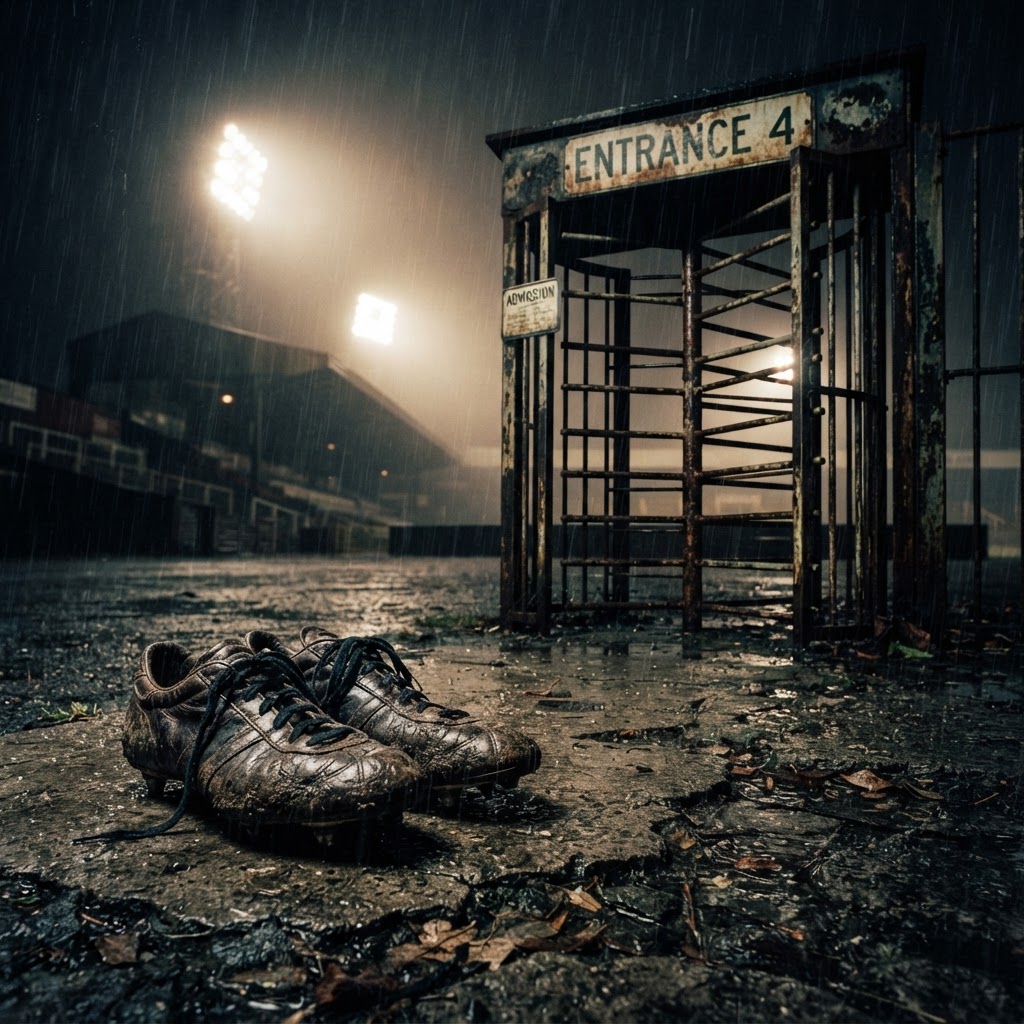
Before the professionals, there is the mud. Sunday league is where the theory of football meets the reality of cold grass and bruised shins. This is where we teach them that the game is about resilience. Watching them play in the rain, shivering on the touchline, you realize you aren't just teaching them to pass or shoot. You are passing down the philosophy of the game—the idea that you show up, you give your all, and you respect the badge on your chest, whether it is a Sunday park side or the local professional team.
The Language of the Terraces
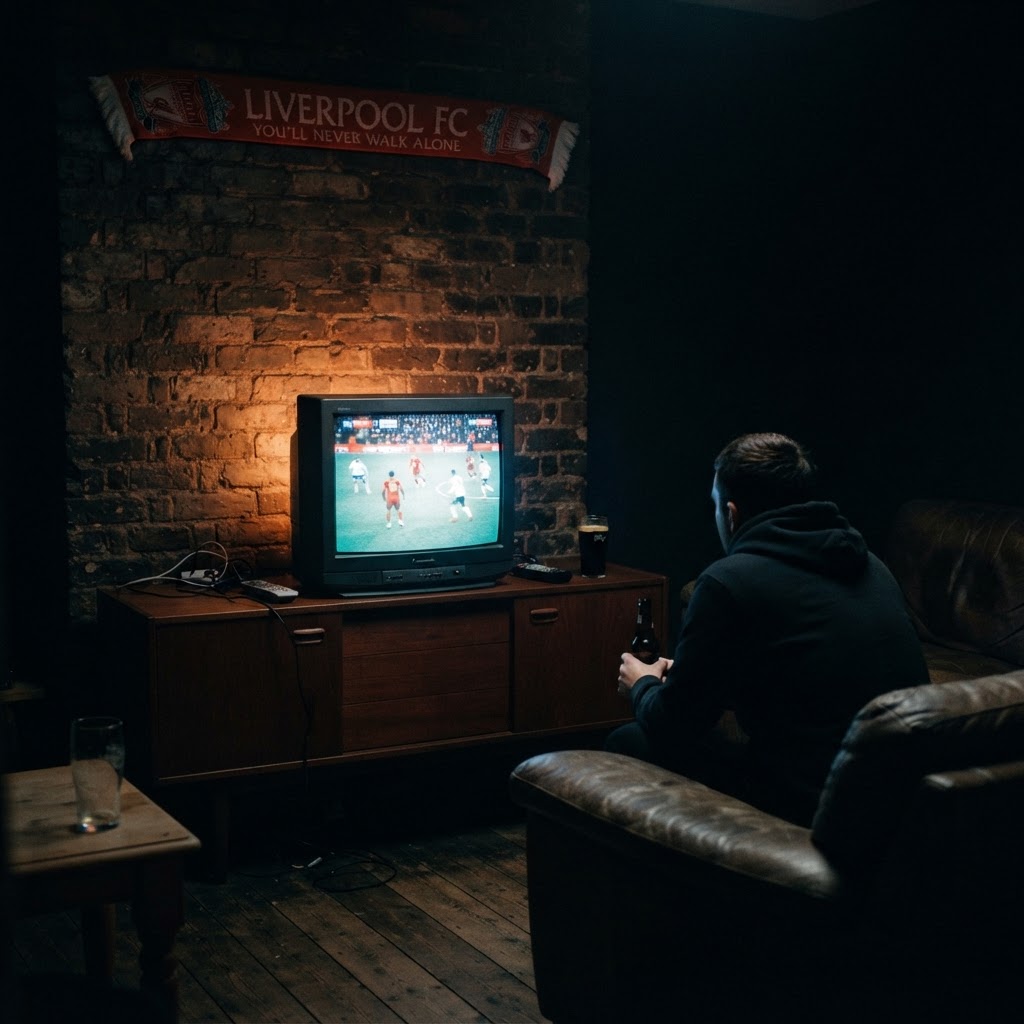
Football has its own dialect. It is built from phrases whispered in kitchens, sung on the terraces, and shouted at the television. It is the specific frustration reserved for a referee who has lost the plot or the precise way you describe a perfectly executed tackle. When your children start using these words, you know the indoctrination is working. They are speaking the language of their ancestors, carrying on the vernacular of the stand.
Rivalries and Tribal Identities
Every family has an enemy. These rivalries are the sharp edges of football loyalty, defining us by who we are not as much as who we are. Passing this on is delicate work. It requires explaining why certain fixtures matter more, why losing to 'them' hurts for a month, and why you never wear the rival's colors. It is about tribal identity. You are teaching them that in a world of shifting allegiances, there are things you do not swap. You stay, you endure, and you remain loyal to your side.
The Silent Rituals
Loyalty is often found in the quiet moments. It is the superstition you maintain before a big game, or the way you eat the same pre-match meal because it feels like it brings luck. These habits are passed down without a word. Your child watches you pace the floor or bite your nails during a corner kick. They learn that football is not just ninety minutes; it is an emotional investment that demands everything from you. They learn that caring this deeply is part of being alive.
If you want to keep the spirit of the game alive in your own household, take a look at our This Is Our Game collection. It is built for those who understand that this isn't just a hobby, but a lifelong commitment to the side that shaped them.
Why We Keep the Fire Burning
In the end, passing down football loyalty is an act of preservation. We are protecting a piece of culture that connects us to the people who came before us. When we take the next generation to the ground or sit with them during a tense derby, we are ensuring that the story continues. We are building a bridge across time, ensuring that the passion, the history, and the identity survive long after we have left the stands.