Fursuit Fever: Why Football Mascots Are the Strangest Part of the Game
There is something fundamentally surreal about standing on a terrace, pints of lukewarm lager in hand, watching a seven-foot-tall foam creature lead a team onto the pitch. It is a strange, uniquely British intersection of theatre and football, where professional athletes share the limelight with oversized animals that have no clear reason for being there.
The Uncanny Valley of the Touchline
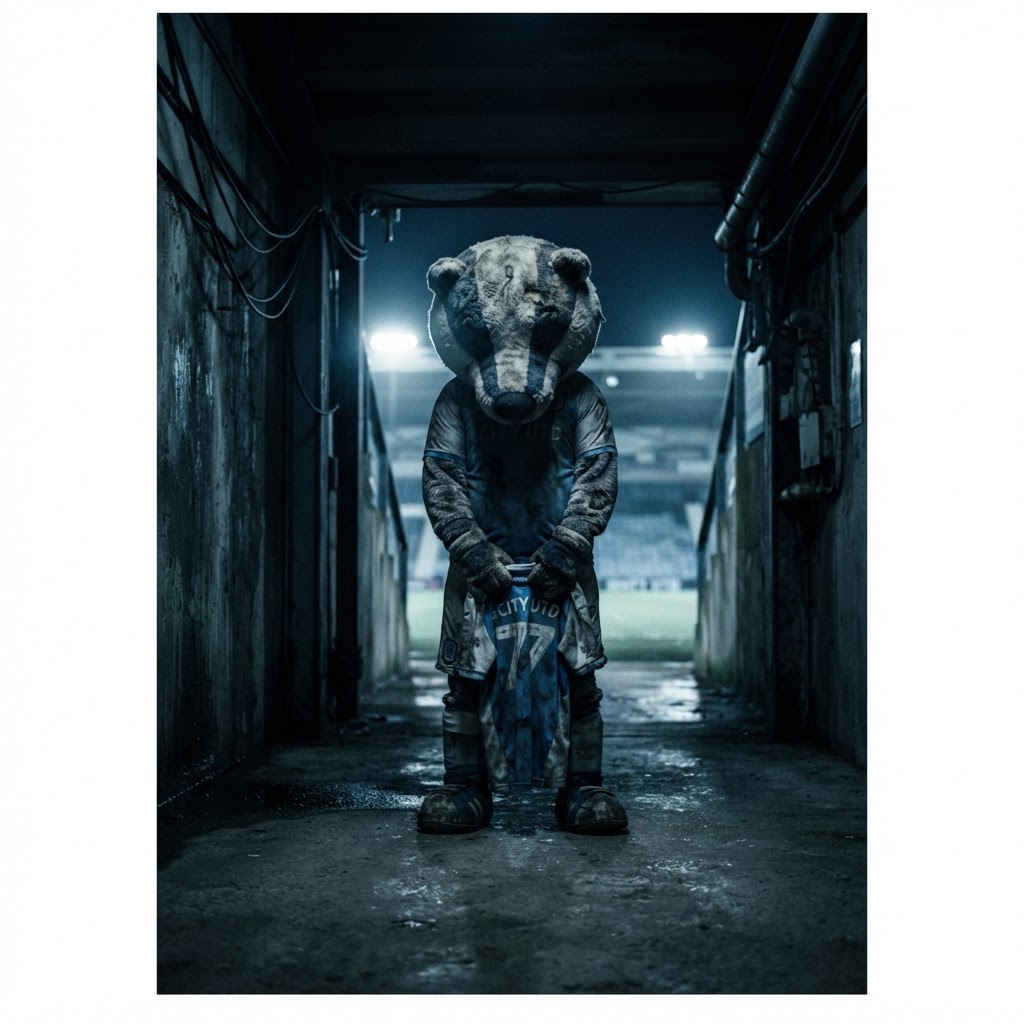
Most mascots exist in a state of permanent, frozen expression. They are designed to be friendly, yet they often end up looking like something out of a low-budget horror film. Whether it is a giant cat, a metallic bird, or some indefinable blob, their fixed grins provide a stark contrast to the grim tension of a derby match. We accept them as part of the matchday furniture, but if you stop to think about the logistics—a person sweating inside a heavy costume while the crowd screams abuse at the ref—it becomes an exercise in pure absurdity.
The Folklore of the Mascot
Every mascot has an origin story that usually traces back to the club crest or some local historical oddity. Some are legitimate tributes to the identity of the town, while others feel like a desperate marketing attempt to keep the kids entertained during the pre-match lull. The beauty of these characters is that they are entirely unofficial, yet they carry the weight of the club's identity. When a mascot takes a dive or gets into a scuffle with a rival's character, it becomes the most talked-about moment of the afternoon.
The Professionalism of the Performance
We joke about the people inside the suits, but there is an undeniable commitment to the craft. A good mascot knows how to wind up the opposition fans, how to celebrate a goal with just enough cheek, and how to command the touchline. They are the only people in the stadium who are allowed to be completely ridiculous while the rest of us take every kick and tackle with deadly seriousness. They provide a release valve, a reminder that underneath the tension, this is still a game.
Evolution of the Character
In the eighties and nineties, mascots were simple affairs—often just a fan in a homemade suit. Today, they are high-production characters with social media accounts, corporate sponsors, and stunt choreography. They have become part of the brand, yet they still occupy the same strange space in our psyche. We know they aren't real, yet we find ourselves cheering when they interact with the crowd or mock a missed penalty from the opposing striker.
Why We Need the Absurdity
Football is a serious business. The tribalism, the history, the heartbreak—it can get heavy. The mascot serves as a bridge, keeping the game grounded in the fact that it is, ultimately, a sport played for enjoyment. If this reminds you why football is more than ninety minutes, you might like our More Than 90 Minutes collection.
The Lasting Legacy of the Creature
Whether they are beloved icons or terrifying eyesores, mascots are cemented in the culture. They are the weird, foam-filled constants of our Saturdays. We might laugh at them, we might ignore them, but the moment they disappear, the matchday feels a little less complete. It is one of the many quirks of the game that makes football what it is: a messy, beautiful, and occasionally confusing display of passion.