Superstitions and Habits: The Unconscious Rituals of Football Fans
We tell ourselves we are rational observers of a sport. In reality, we are architects of complex, invisible belief systems designed to steer the outcome of ninety minutes. These rituals define the football fan, turning a casual viewer into a nervous wreck who believes their choice of socks can impact a league table.
The Anatomy of the Lucky Wardrobe
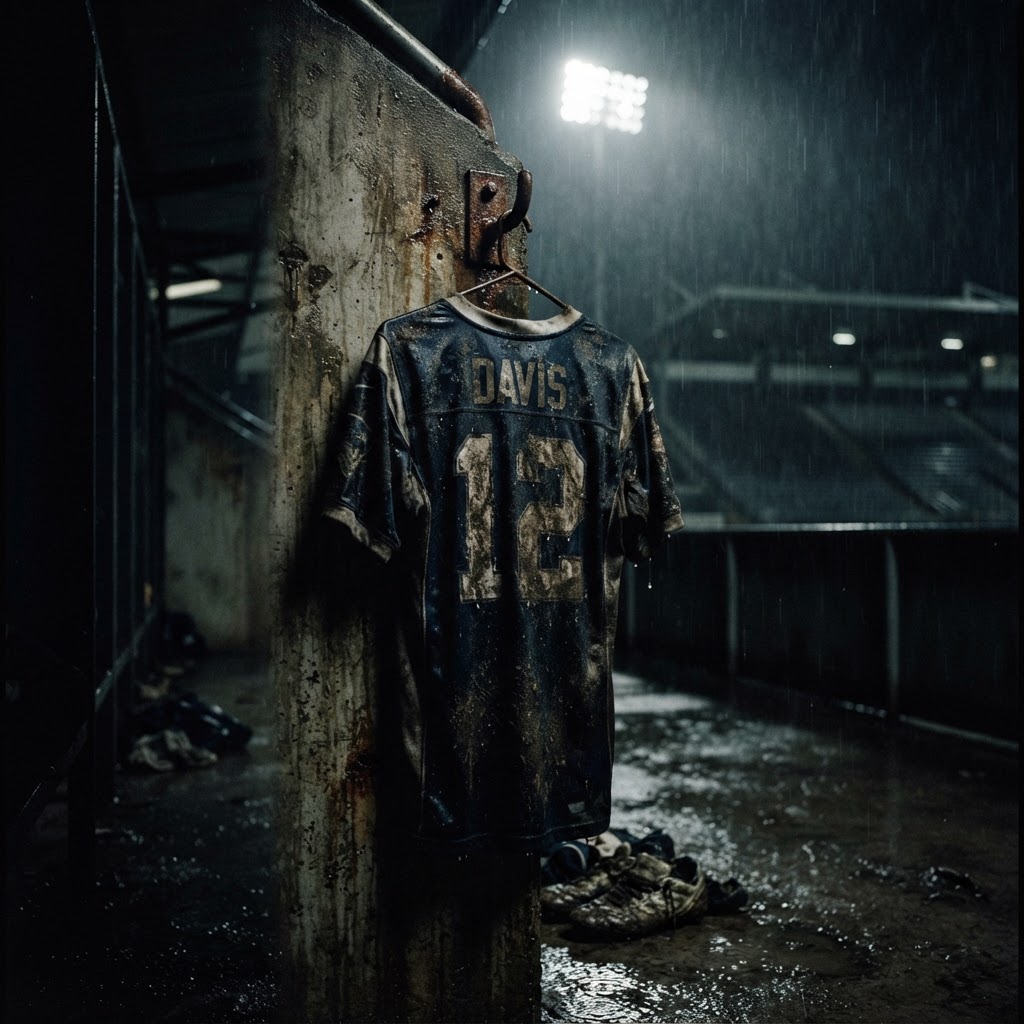
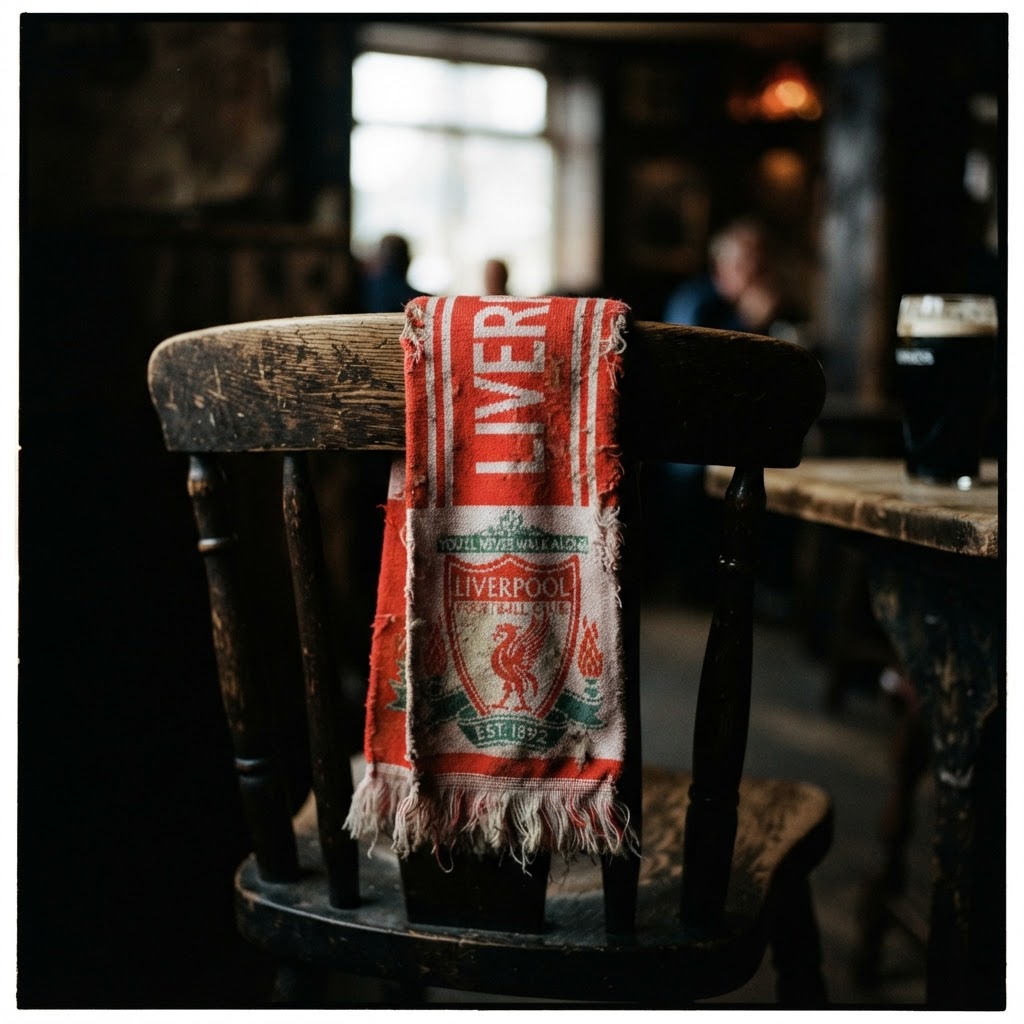
It starts with the kit. If the team wins, the scarf stays folded exactly as it was. The shirt isn't washed until the unbeaten streak ends. This is standard territory, but the true ritual goes deeper. It is the specific item of clothing that hasn't seen daylight since the late nineties, dragged out of a dark wardrobe corner because the team is in a slump. We wear these clothes not for style, but as a silent plea to the football gods to intervene in a set-piece.
The Pre-Kickoff Pacing
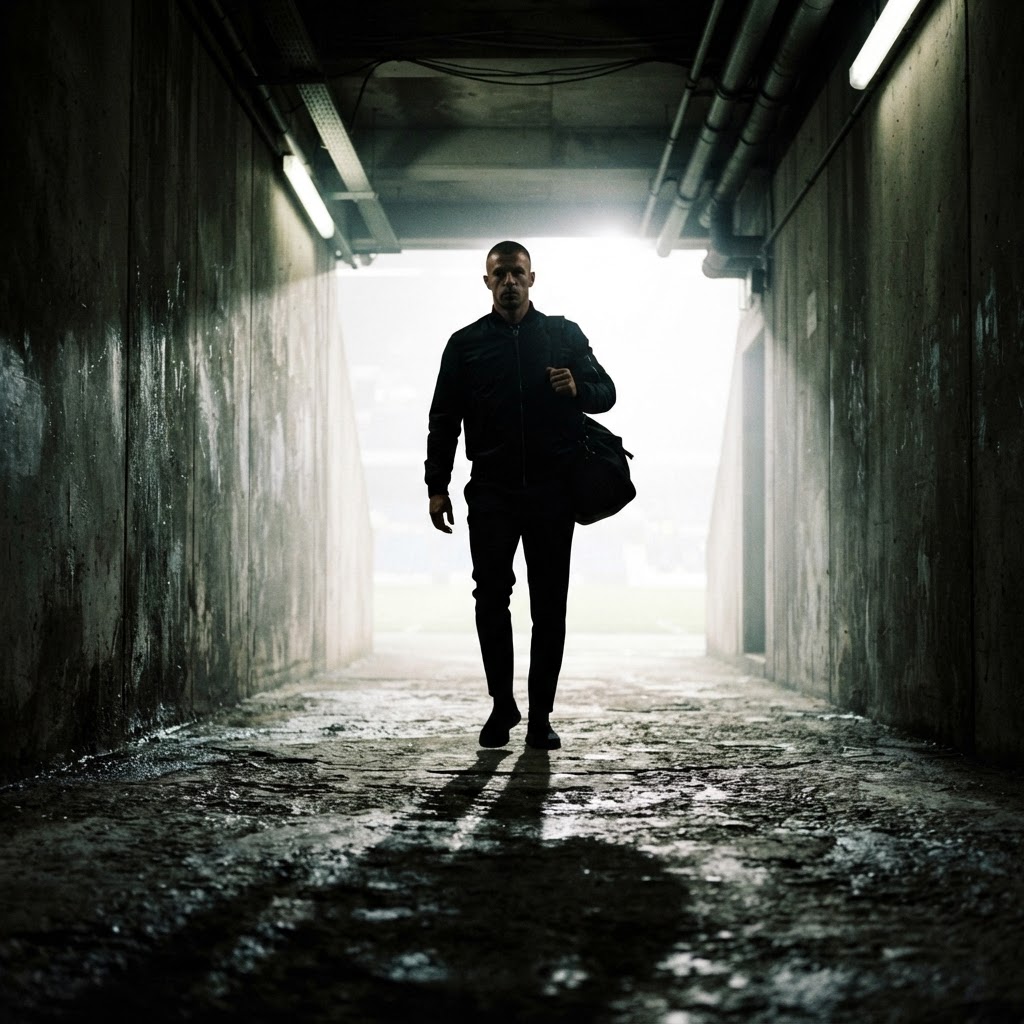
Watch a fan before a crucial game and you will notice a frantic, repetitive pattern. The same walk to the kitchen, the same position on the sofa, the same way of arranging the remote controls. We create order in our immediate environment to compensate for the chaotic nature of the game. If you stand up and the opposition scores, you are officially banned from moving for the rest of the half. This isn't logic, but it is absolute truth.
The Silent Vocabulary of the Couch
There is a language we speak only to the television. It is composed of guttural grunts, sharp intakes of breath, and specific curse words reserved for bad officiating. We don't realize we are doing it, but these verbal ticks act as a physical release of tension. By shouting at the screen, we engage in a ritual of catharsis that keeps the adrenaline levels manageable during a tense second half.
Why We Fear the Change
Any adjustment in routine feels like an act of sabotage. If you usually have a specific drink at halftime and you run out, that minor inconvenience becomes the reason for the second-half collapse. We attach narrative importance to random events because it helps us feel connected to the outcome. It is a way of saying that we are not just spectators; we are participants in the collective anxiety of the club.
The Permanence of Habit
These behaviors are the bedrock of football culture. They survive job changes, house moves, and long spells of poor form. They are the things we do without thinking because, deep down, we know that if we stop, the game loses its weight. Football is a series of moments that we try to hold onto through these repetitive actions.
If these rituals remind you that the game is about more than just what happens on the pitch, you might find something that matches your intensity in our This Is Our Game collection.