
The Scapegoat in Black: Why Football Fans Always Blame the Referee
Every matchday, ninety minutes are spent staring at the pitch, looking for someone to hold responsible for the shortcomings of our team. It is never the missed sitter or the defender who fell asleep. It is the person holding the whistle.
The Psychology of the Villain
Football is irrational. We invest our identity, our weekends, and our sanity into a group of eleven players, yet when things go wrong, we look for an external force to blame. The referee provides the perfect canvas. They are a singular, authority-wielding figure who operates within the rules but always seems to bend them against us. Blaming the ref is a defense mechanism; it protects our ego from the reality that our club might simply be having a bad day.
The Narrative of Injustice
Every fan base believes there is a grand conspiracy against their club. We collect these micro-moments of perceived injustice like relics. A soft free-kick given against us in the first half is never forgotten; it is stored in the memory bank as evidence of bias. This narrative of victimhood binds fans together. We share the same grievances, the same anger, and the same feeling that the game is rigged. It gives us a common enemy when our own players are failing to deliver.
The Spectacle of the Decision
Football is a game of fine margins. The speed of the modern game makes refereeing an impossible task, yet we demand perfection. When a referee makes a snap decision, we have the benefit of slow-motion replays and multiple camera angles. We scream at the screen or the official because we see a world where the decision was perfect. The ref remains the only person on the pitch who has to deal with the chaos in real-time, which only increases our frustration when they fall short of our impossible expectations.
Referees as Part of the Drama
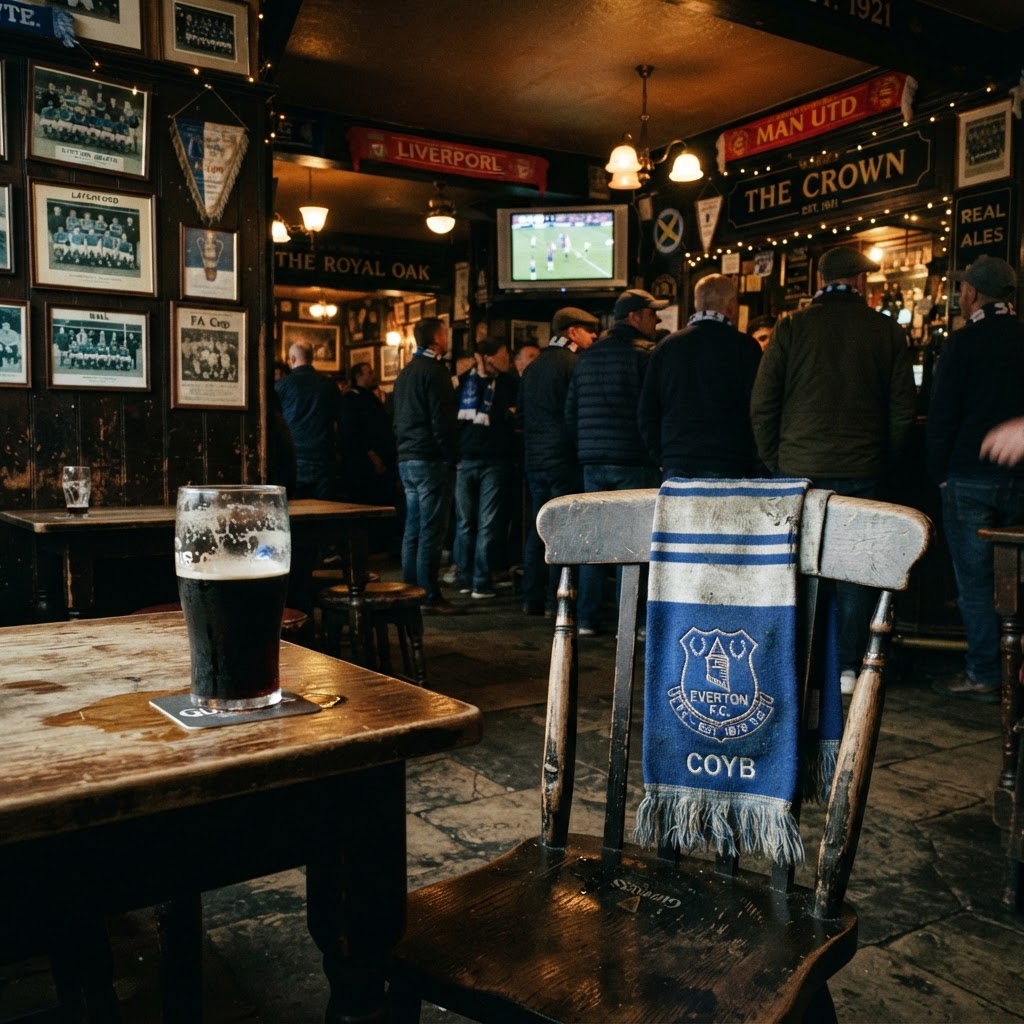
Deep down, we need the referee to be the bad guy. A game without controversy is a game that is quickly forgotten. The heated debates in the pub after the final whistle, the post-match analysis of a questionable yellow card, and the sheer theater of the referee standing his ground against a swarm of players—this is the friction that keeps football culture alive. If every decision were perfectly objective, the sport would lose the raw, jagged edges that make it compelling.
The Tribal Filter
We see the game through tribal eyes. A challenge that is a yellow card for the opposition is a 'brilliant tackle' when one of our own performs it. The referee is constantly trying to navigate these two conflicting realities. We don't want a neutral official; we want an official who validates our perception of the game. When they don't, they become the target of our collective vitriol.
If you have spent enough time in the stands knowing that your team was wronged by the officials, you understand that supporting a club is about more than just the result on the board. For those who live and breathe this culture, take a look at our This Is Our Game collection.