
From Cotton to Plastic: The Evolution of the Football Shirt
There was a time when a football shirt was just a piece of kit, built to withstand a soaking at a mud-caked local ground. Today, the shirt is a billboard, a collector's obsession, and the most recognisable piece of clothing in any city.
The Age of Wool and Weight
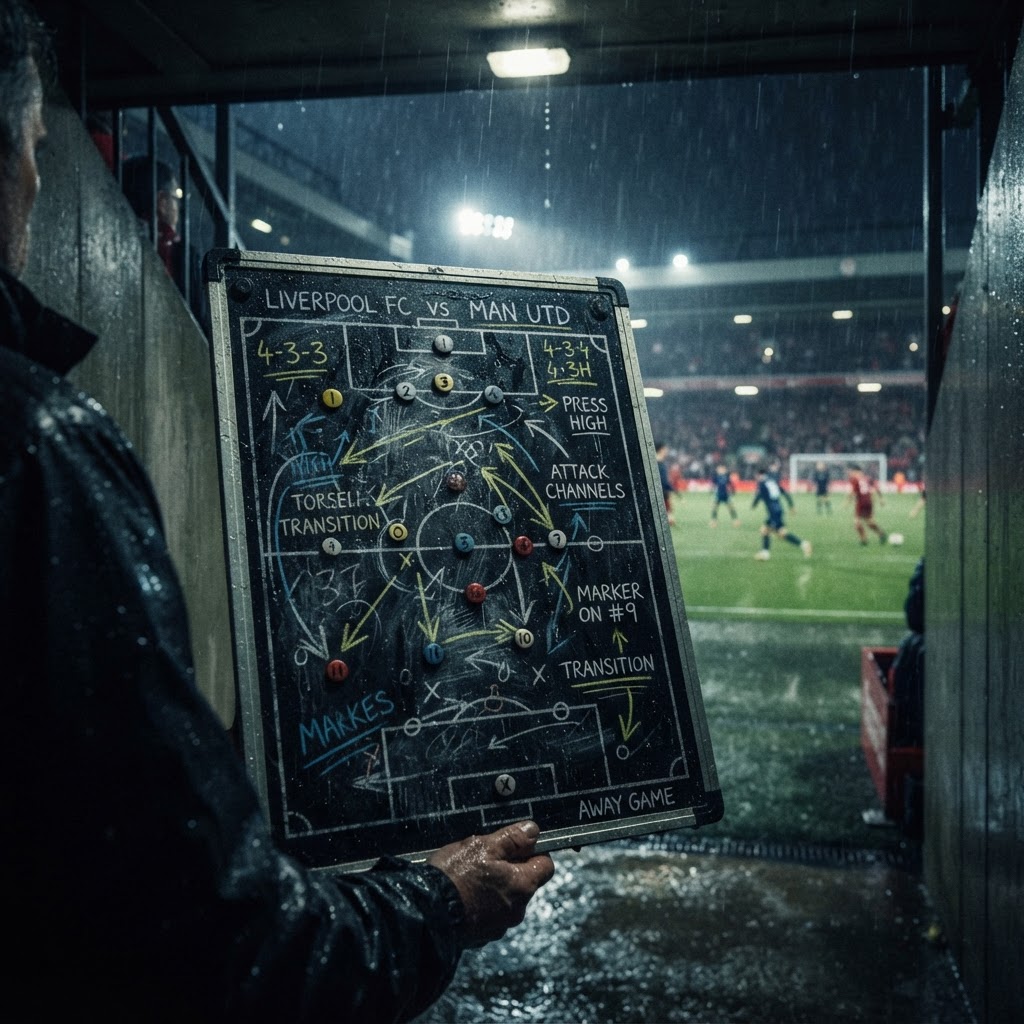
If you go back far enough, the football shirt was heavy. It was wool, it was long-sleeved, and it soaked up the rain like a sponge. When you were playing on a waterlogged pitch in November, the shirt didn't just feel like clothing, it felt like an anchor. It wasn't about aerodynamics or sweat-wicking technology. It was about warmth and durability. You wore your colours, you took the knocks, and the shirt looked the same in the final minute as it did in the first, just significantly heavier.
The Synthetic Revolution
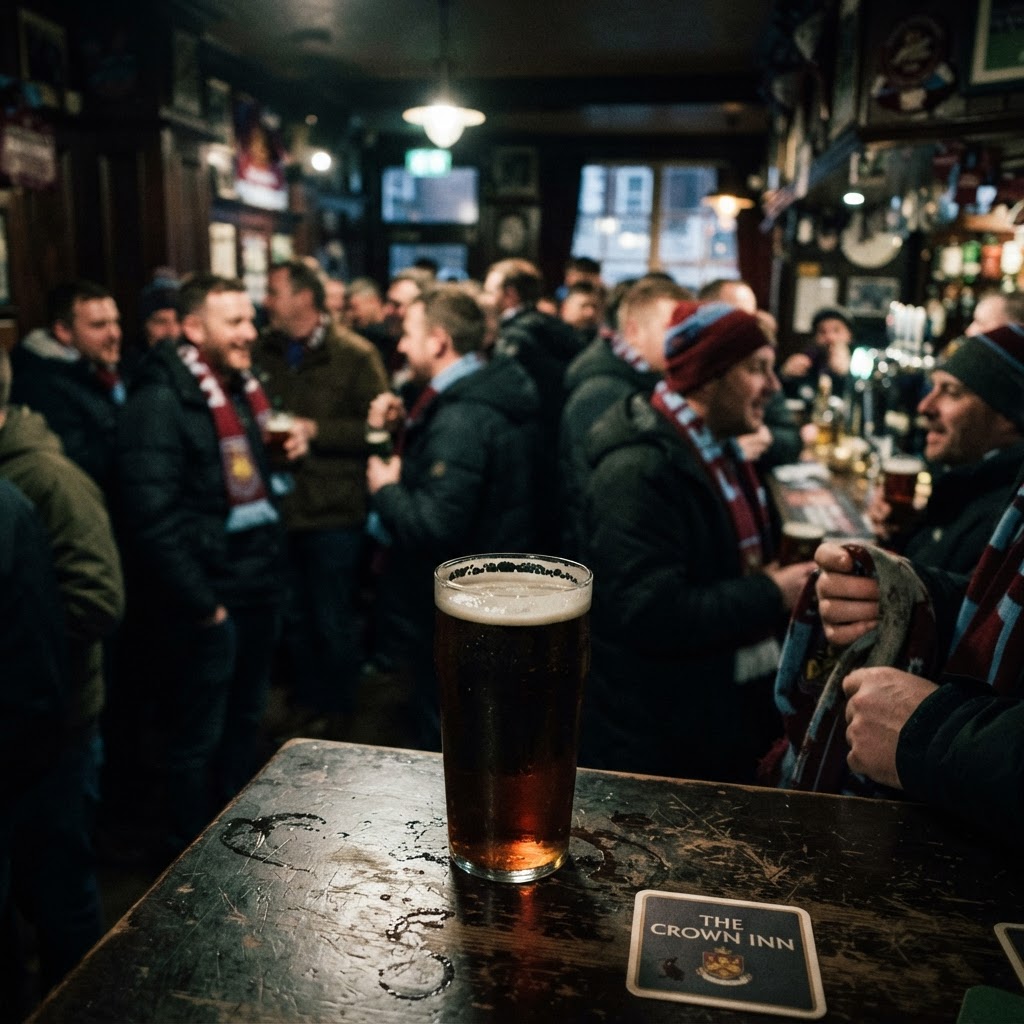
Everything changed when the synthetic fabrics moved in. Suddenly, we were in the era of polyester and shiny finishes. In the eighties and nineties, designs started to get loud. Geometric patterns, V-necks, and oversized collars became the uniform of the terraces. It was the birth of the replica culture. The shirt wasn't just for the eleven men on the pitch anymore. It was for the bloke standing on the concrete steps, trying to make a statement under the floodlights.
Logos, Sponsors and Identity
Then came the sponsorship era. It turned the shirt into a commercial product, but for the fans, it became something else entirely. The sponsor on the front became part of the shirt's identity. You don't just remember the kits; you remember the brands that sat across the chest. It changed how we viewed our clubs. When the branding grew, the loyalty stayed, but the aesthetic shift meant that the shirt was now a piece of lifestyle clothing, not just sportswear.
Performance versus Nostalgia
Modern kits are miracles of engineering. They are light, breathable, and frankly, too expensive. But there is a tension there. We want the technology when we are out playing, but we crave the nostalgia of the old-school designs when we are sitting in the stands. We see a resurgence in collars and simple, clean stripes because people are tired of the busy, plastic-feeling kits that change every single year.
The Shirt as a Social Document
Ultimately, the evolution of the football shirt tells the story of the game itself. It went from a functional garment for the working man to a global fashion commodity. Yet, the feeling of pulling one over your head remains the same. It is an immediate connection to the club, a way to show where you belong without saying a single word.
If you believe that the history behind the badge matters more than the latest synthetic fabric, check out our Football 90 collection.