The Lingua Franca of the Stands: Where Football Expressions Actually Come From
Every fan has a vocabulary that only makes sense inside a ground or down the local. It is a mix of coded insults, tactical shorthand, and inherited wisdom passed down through generations.
The Echoes of the Workplace
Many of our most common phrases are relics of an industrial past. When a player is described as a shift worker or a grafter, it is not an insult. It is a nod to a time when fans and players lived in the same neighborhoods and worked the same factory hours. We value the man who puts in a shift because that is how we measured worth outside the game. The language of industry is etched into the way we talk about effort. A tackle is a day at the office. A work rate is a punch card. We are essentially describing football in the dialect of the manufacturing belt, long after the factories have been turned into apartments.
The Birth of the Tactical Shorthand
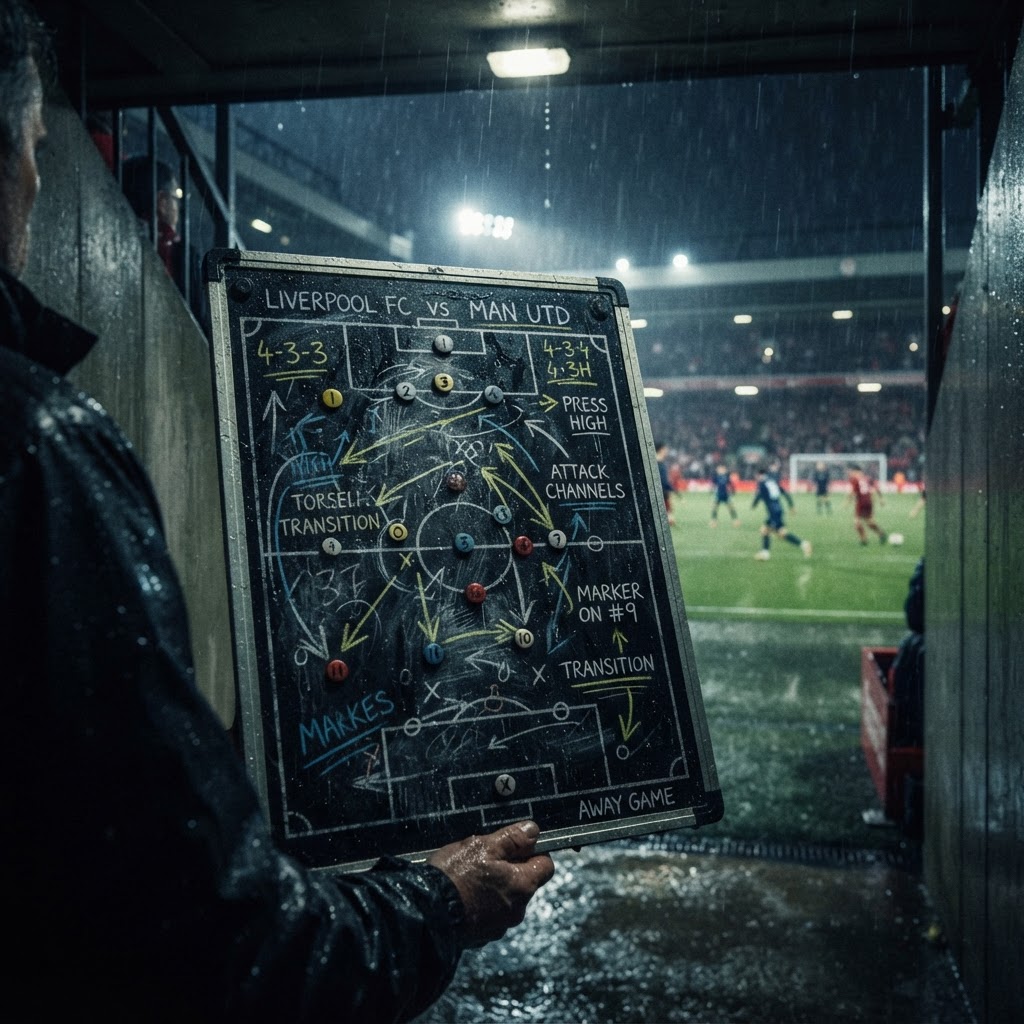
We love to sound like managers. Phrases like high line, transitions, and half-spaces were once reserved for the tactical blackboard. Now, they are yelled from the back row by a bloke with a lukewarm pint. This migration of language from the dugout to the terrace happens because we want to quantify the chaos. We use these terms to make sense of the ninety minutes. It is our way of intellectualizing the primal reaction of a goal or a missed tackle. We are not just watching; we are analyzing, even if we are wrong.
The Inherited Curse
Some phrases have no logical origin. They are sounds that express frustration or joy, honed over decades of collective suffering. Consider the unique way we describe a player who lacks composure. Or the specific rhythmic insult reserved for a referee who has lost the plot. These expressions are not written in any book; they are caught, not taught. You sit next to someone who has been coming to the ground for thirty years, and you pick up their vernacular. You become a custodian of their specific brand of bitterness or optimism. That is how a chant becomes a classic, and how a cynical turn of phrase survives a relegation.
The Sunday League Heritage
Most of our best lines come from the mud and the uneven pitches of Sunday morning. This is where the real creativity happens. When you are standing on a waterlogged field, freezing, waiting for a mate to turn up, the dialogue is sharper. You hear terms there that never make it to the professional game because they are too raw or too personal. This is the language of honesty. It is stripped of the media training that glosses over the pro game. It is the raw feedback of a teammate telling you exactly where you went wrong, usually in the most colorful way possible.
Language as a Badge of Identity
Why do we keep using these words even when they make no sense to the casual observer? Because it proves we were there. Using the right slang is a gatekeeper. It identifies who has been through the rinse cycle of a losing streak and who is just a casual visitor. It is tribal. By holding onto the specific lingo of our club or our circle, we preserve a sense of belonging in a game that feels increasingly distant from the people who actually pay the bills.
If this deep dive into the hidden language of the terraces makes you want to represent the culture beyond the match, have a look at our More Than 90 Minutes collection.
The Permanence of the Pitchside Slang
Even as the game changes, the language of the fan remains remarkably stubborn. We will keep calling for a simple cross, keep praising the grafter, and keep questioning the intent of the referee. These phrases are the anchors of our community. They link the current season to the ones we grew up with. As long as there is a ball being kicked, there will be someone on the sidelines finding a new way to complain about it, and that is exactly how it should be.