The Gatekeepers of Time: Why We Arrive Hours Before Kick-off
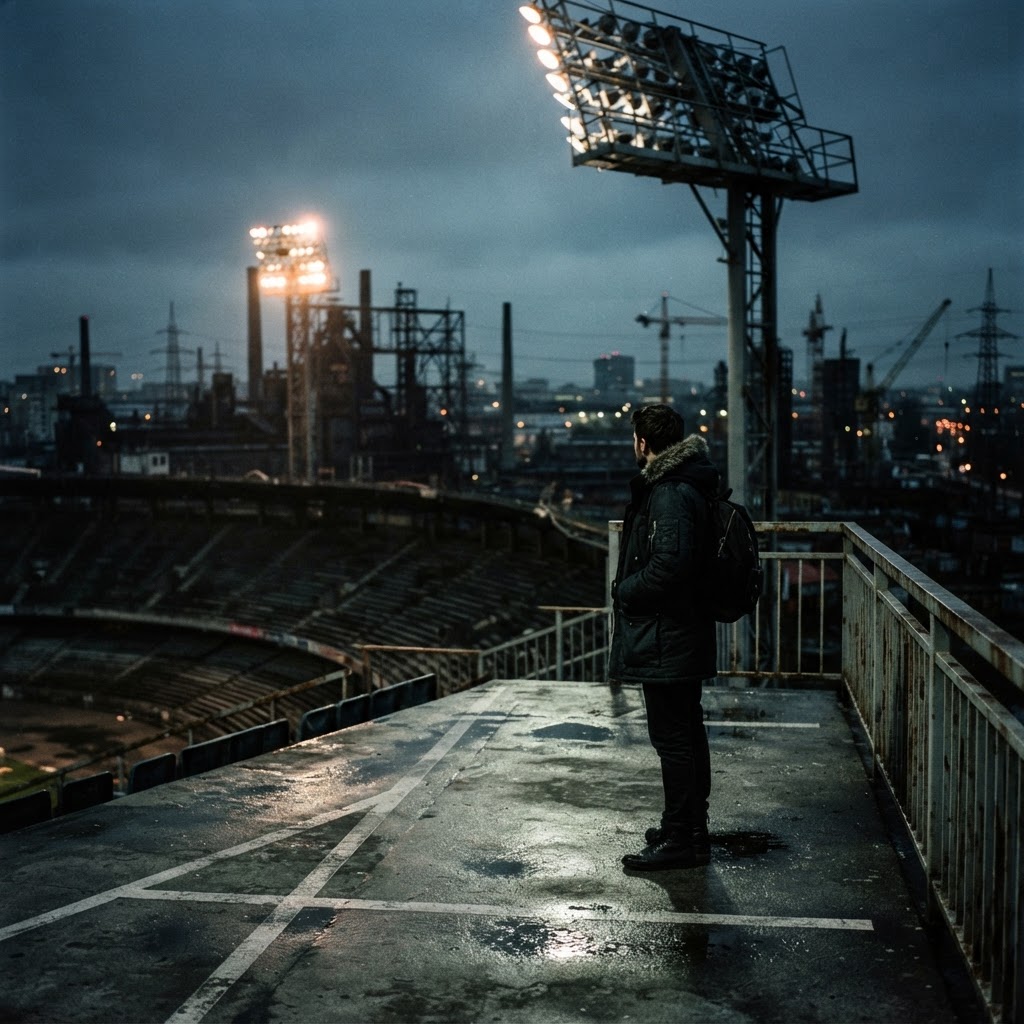
There is a specific kind of silence in a stadium two hours before kick-off. It is not empty, but it is waiting. Arriving early isn't a logistical choice, it is a psychological requirement.
The Psychology of the Empty Terrace
To stand in the concourse or on the terrace while it is still half-empty is to watch a living thing wake up. You see the staff prepping, the groundsmen finishing their work, and the first few regulars filtering in. It is a slow buildup of energy. If you arrive five minutes before the whistle, you are just a passenger. If you arrive two hours early, you are part of the process that turns a bowl of concrete into a cauldron.
Marking Your Territory
Every regular has a spot. It might be near the back of the North Stand or right against the front rail. Showing up early is the only way to ensure your specific patch of the ground remains yours. It is about routine and familiarity. When you stand in the same place, facing the same angle, you feel the game differently. Arriving early is how you stake your claim on the afternoon.
Avoiding the Compression of the Turnstile
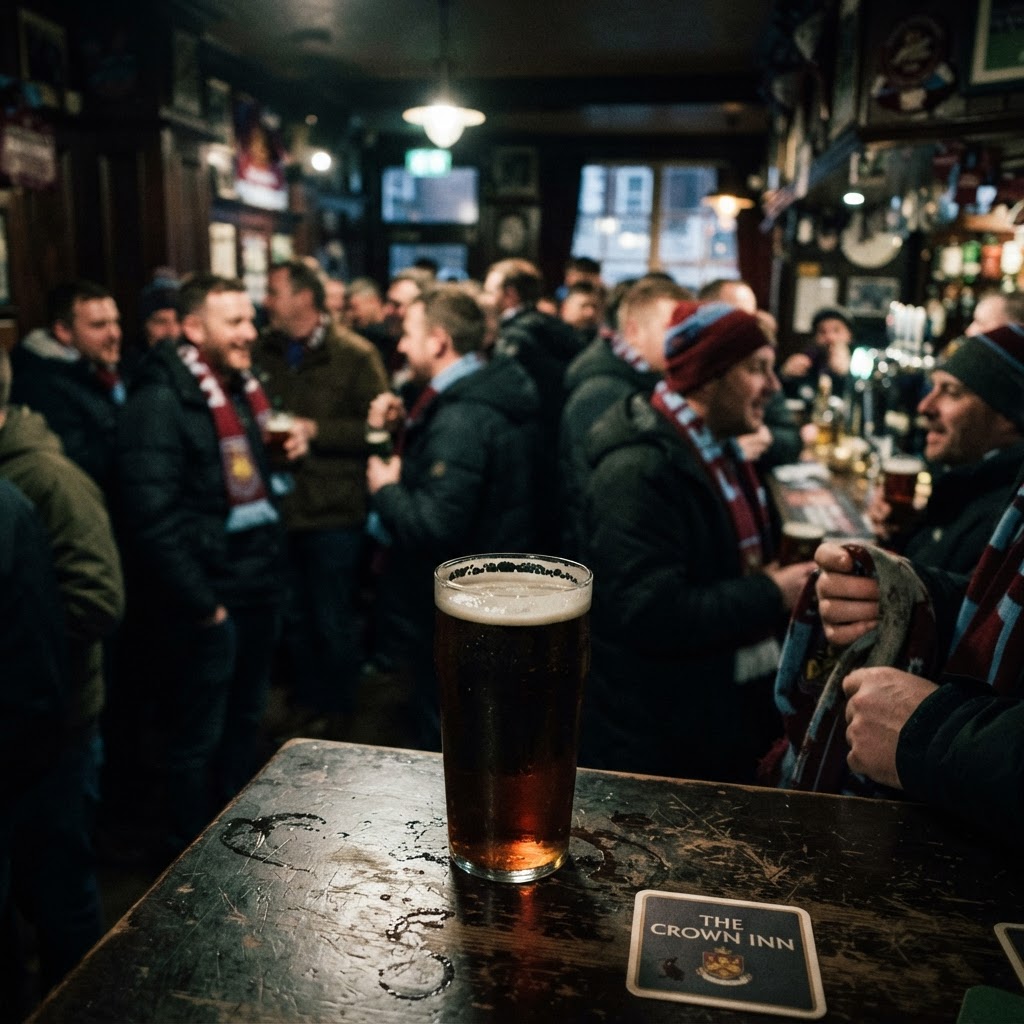
Waiting for the gates to creak open is a ritual in itself. Standing in the queue, nursing a coffee, watching the faces of other regulars—these are the moments where the community cements itself. The rush of the final thirty minutes is chaos, but the early arrival is calm. It is the time to observe the fashion, spot the vintage kits that haven't seen the light of day since the nineties, and discuss the latest team news without the noise of a full-capacity crowd drowning out the debate.
The Ritual of Preparation
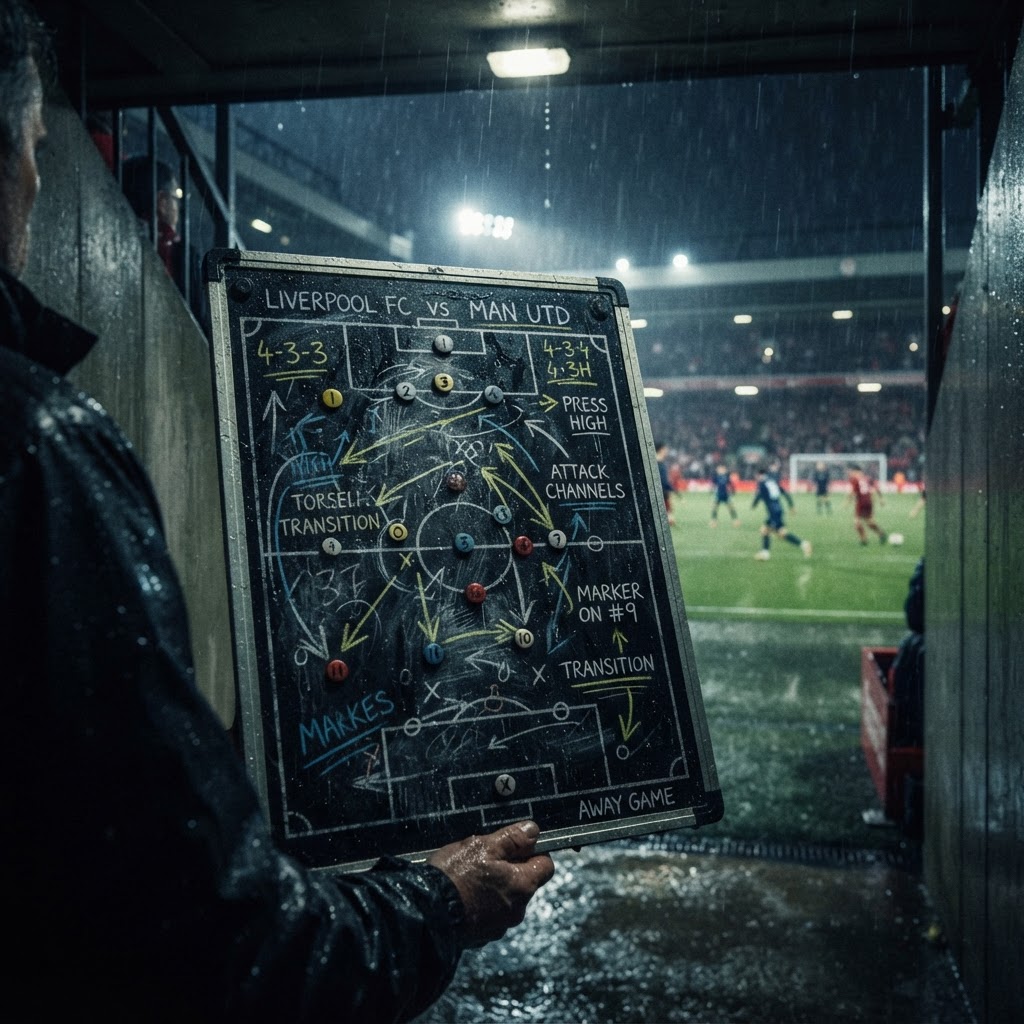
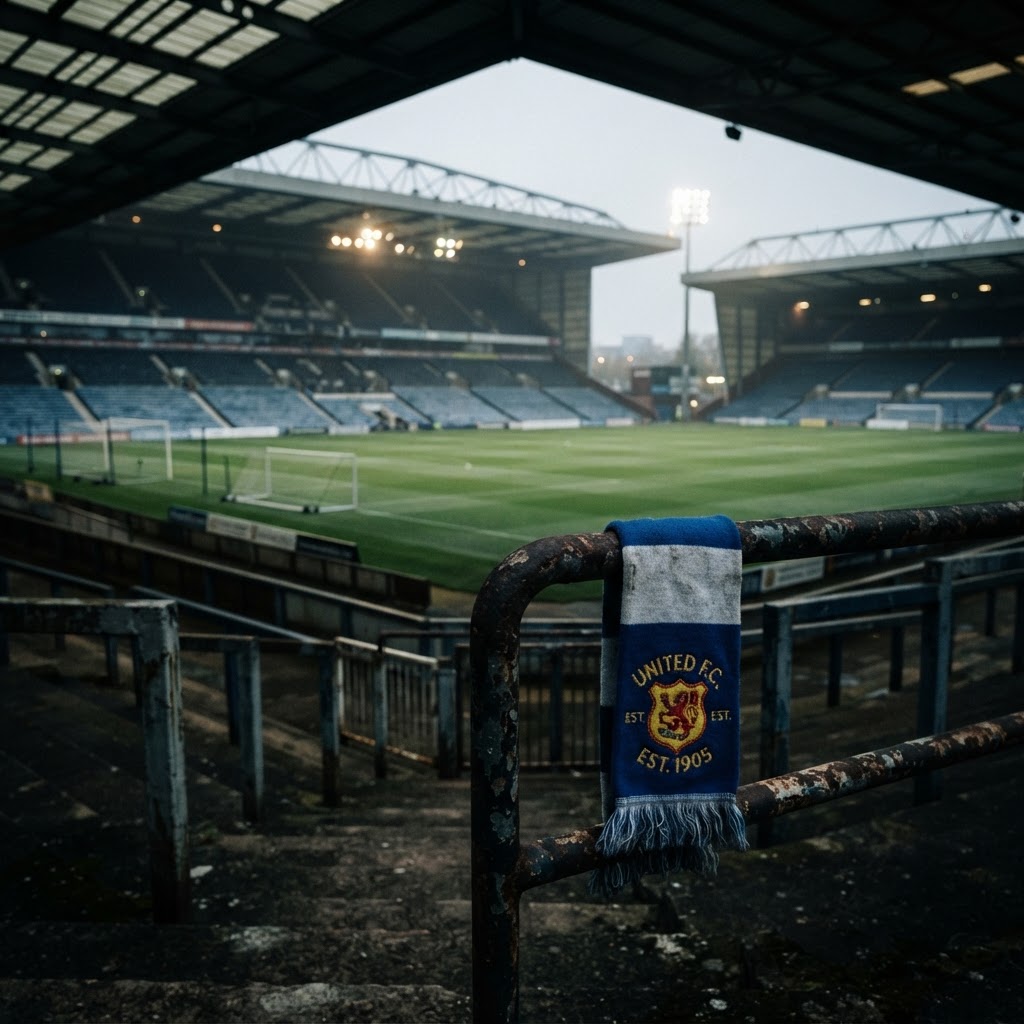
Football is a high-stakes emotional investment. Being at the ground early allows you to shed the weight of the week. You leave the office, the house, and the commute behind. Once you are through the turnstiles, the rest of the world stops existing. The stadium is a vacuum where only the match matters. That extra time spent staring at the pitch while it is still pristine is the only way to shift your focus entirely onto the ninety minutes ahead.
The Unspoken Social Contract
Football culture is built on the shared experience of the mundane. The small talk about the manager, the arguments over player selection, the memories of better seasons—all of this happens in the hours before the match. If you arrive late, you miss the consensus building. You miss the temperature check of the fan base. Arriving early is an act of commitment to the people who stand around you.
If you believe that the match is only a fraction of what makes supporting a club special, you might find something that fits your perspective in our More Than 90 Minutes collection.
Owning the Anticipation
By the time the players emerge for their warm-up, you have already been living the game for hours. The nerves have settled, the adrenaline is controlled, and you are ready. You haven't just attended the match; you have presided over its arrival. That is why we show up when the ground is still cold, the stands are quiet, and the grass is still perfectly cut.